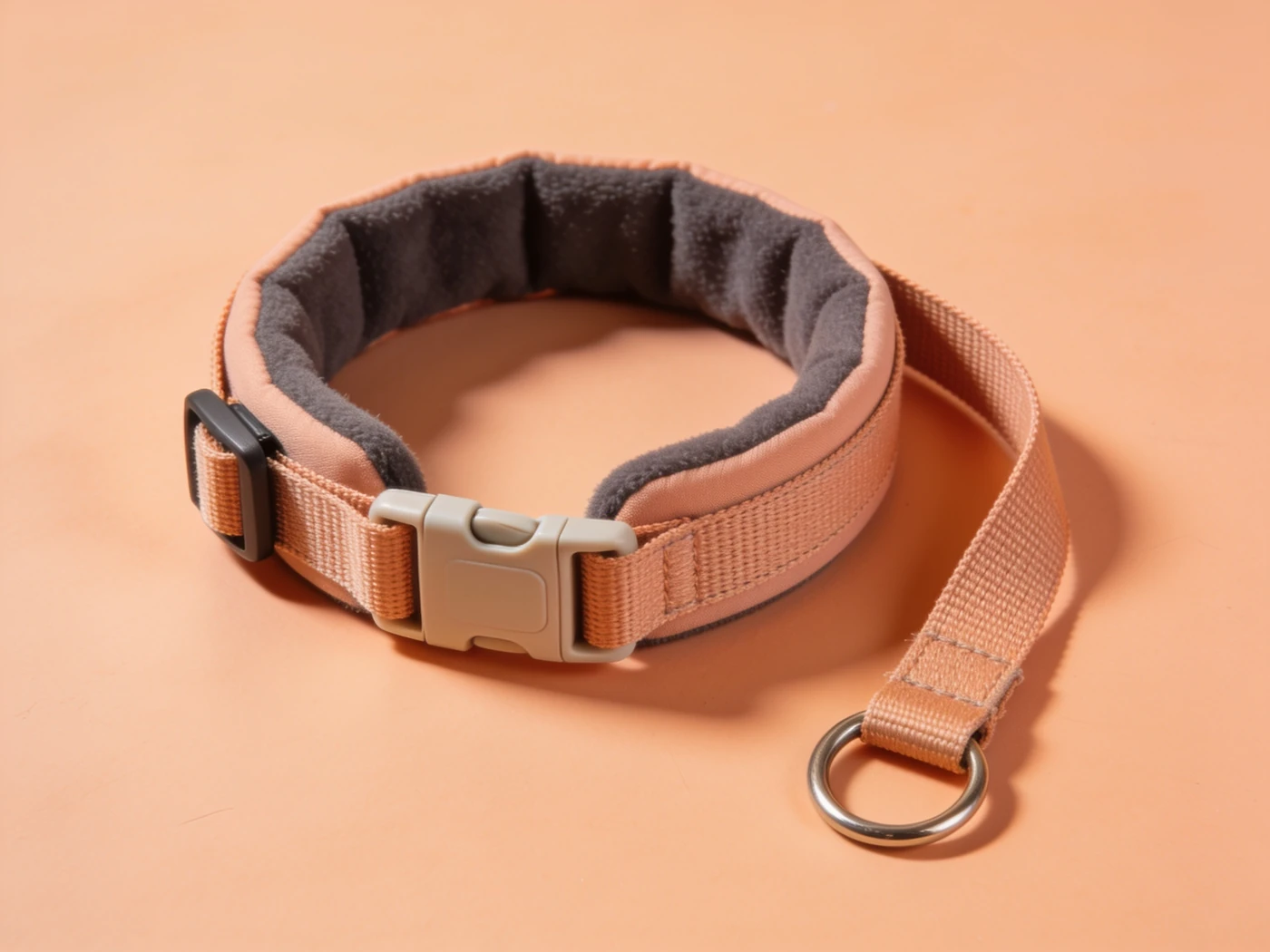
Padded quick-release collar — compare the listed dimensions before choosing.
Measure for a comfortable collar
Compare neck measurements, limited-slip behaviour, fastening and checking wear.
Measure where the collar sits
Use a soft tape around the neck, not an old collar’s full length. Compare the result with the stated adjustment range and allow comfortable two-finger clearance. Recheck the fit on the dog and whenever weight or coat changes.
Understand the fastening
A side-release buckle opens differently from a pin buckle. Martingale loops have a limited tightening action and need careful adjustment. A rope slip design is not a flat buckle collar; choose it only if you understand supervised use.
Check before every walk
Inspect stitching, rings and buckles. Do not leave slip or limited-slip collars on an unattended animal or use them for unattended tethering. Collars are not chew toys; replace worn or damaged equipment.
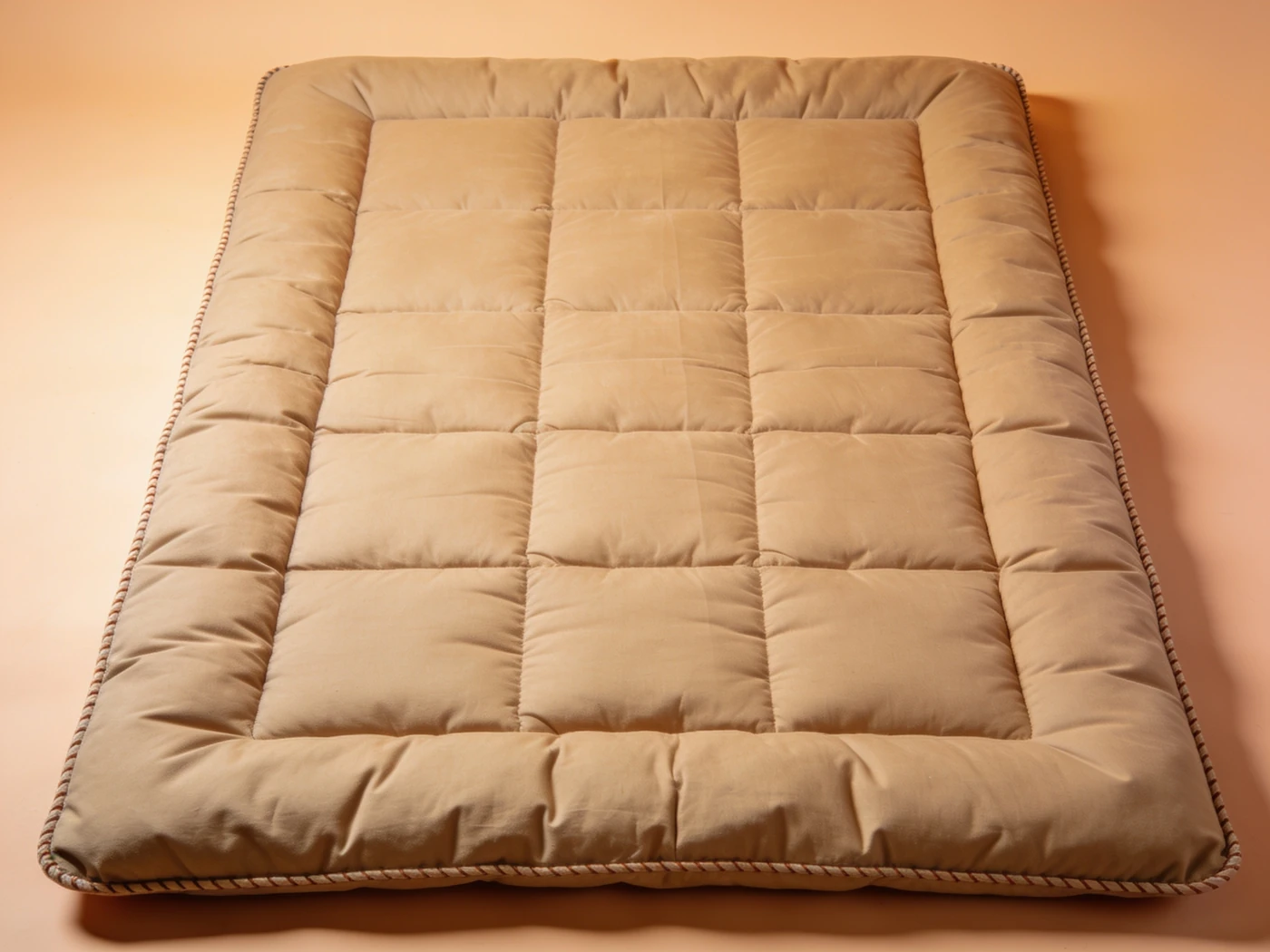
Quilted flat rest mat — compare the listed dimensions before choosing.
Find their resting shape
Compare flat, bolstered, curled, covered and raised rest areas; measure usable sleeping area rather than external size.
Watch the resting posture
A stretched sleeper needs usable length. A curled sleeper may prefer a surrounding rim; a head-resting posture may suit bolsters. A covered retreat offers shelter without promising any health effect.
Compare inside and outside
The bolster lounger is 85 × 65 cm outside but its sleeping area is 60 × 45 cm. The nest bed is 70 cm across outside with a 45 cm inner rest area. Measure the pet resting naturally, then compare the usable space.
Choose the care routine too
The lounger’s zipped cover can be removed for a gentle cool wash. Other beds have their own spot-cleaning or brushing instructions. Dry completely before reuse and inspect seams and mesh regularly.
Necessary storage keeps your cart and request secure. Optional analytics, marketing and preferences stay off until you choose. No third-party services are currently installed.